Sustainable mobility for all cities.
Through interdisciplinary collaborations and cutting-edge research, we strive to address the environmental, social, and economic challenges associated with traditional mobility systems. We aim to promote and facilitate the development of innovative and sustainable transportation solutions. Our goal is to create more efficient, equitable, and sustainable mobility solutions.
Explore ABC data
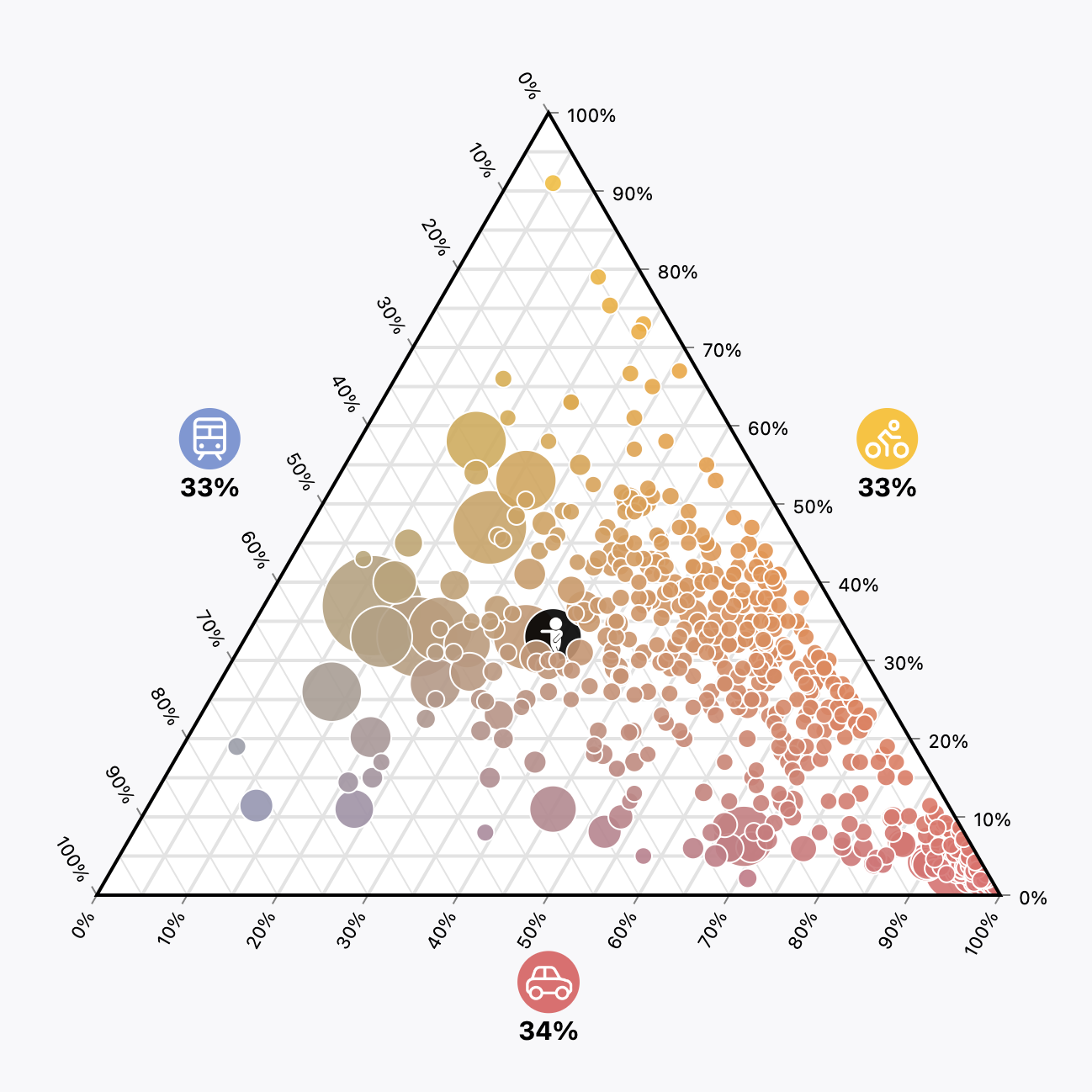
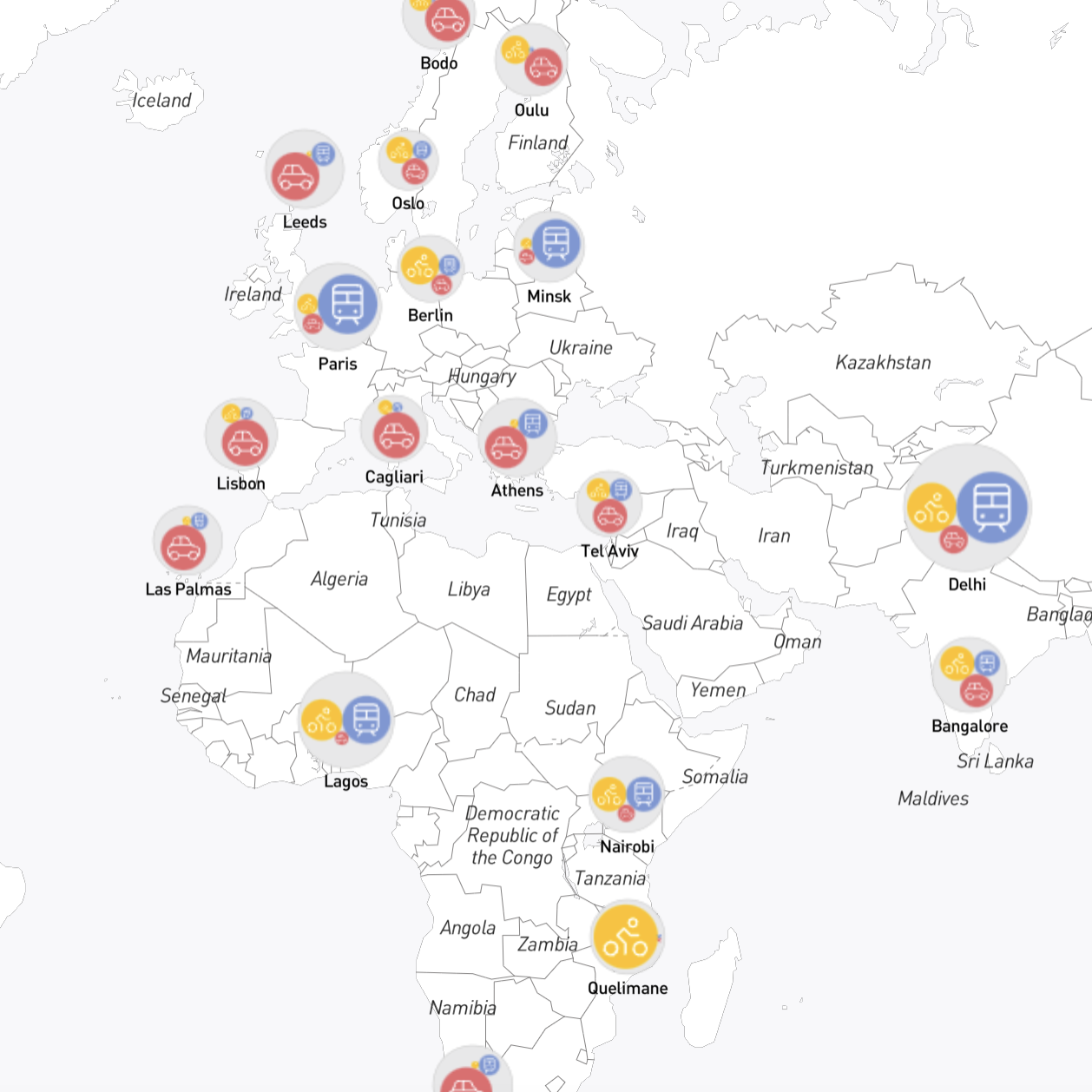
The ABC of mobility
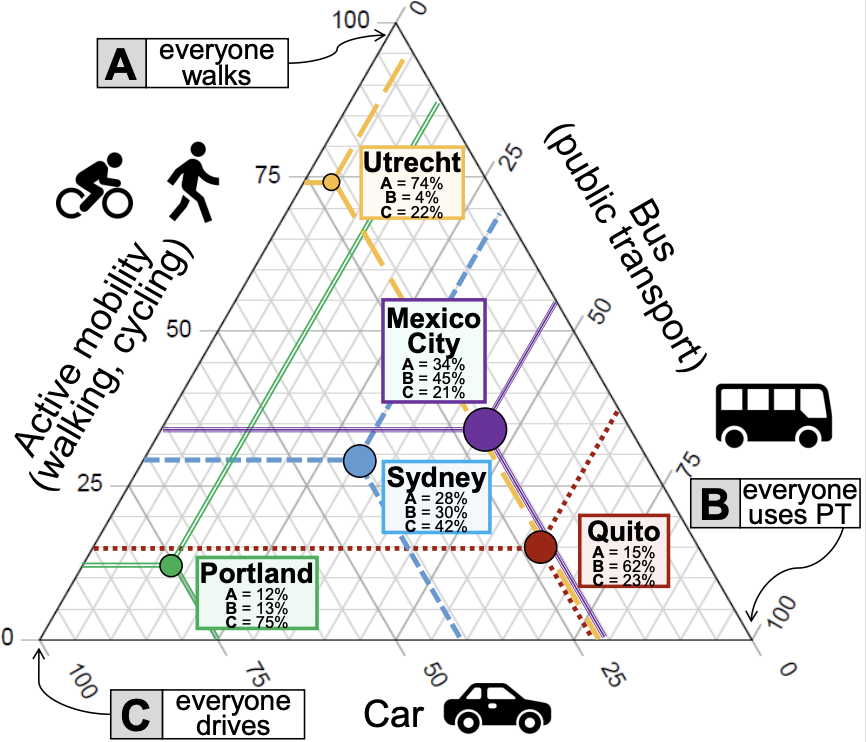
To quantify the motorisation of urban mobility, we model the number of kilometres travelled by different modes of transport in a city by aggregating active mobility, public transport and cars.
Explore Cities Morphology
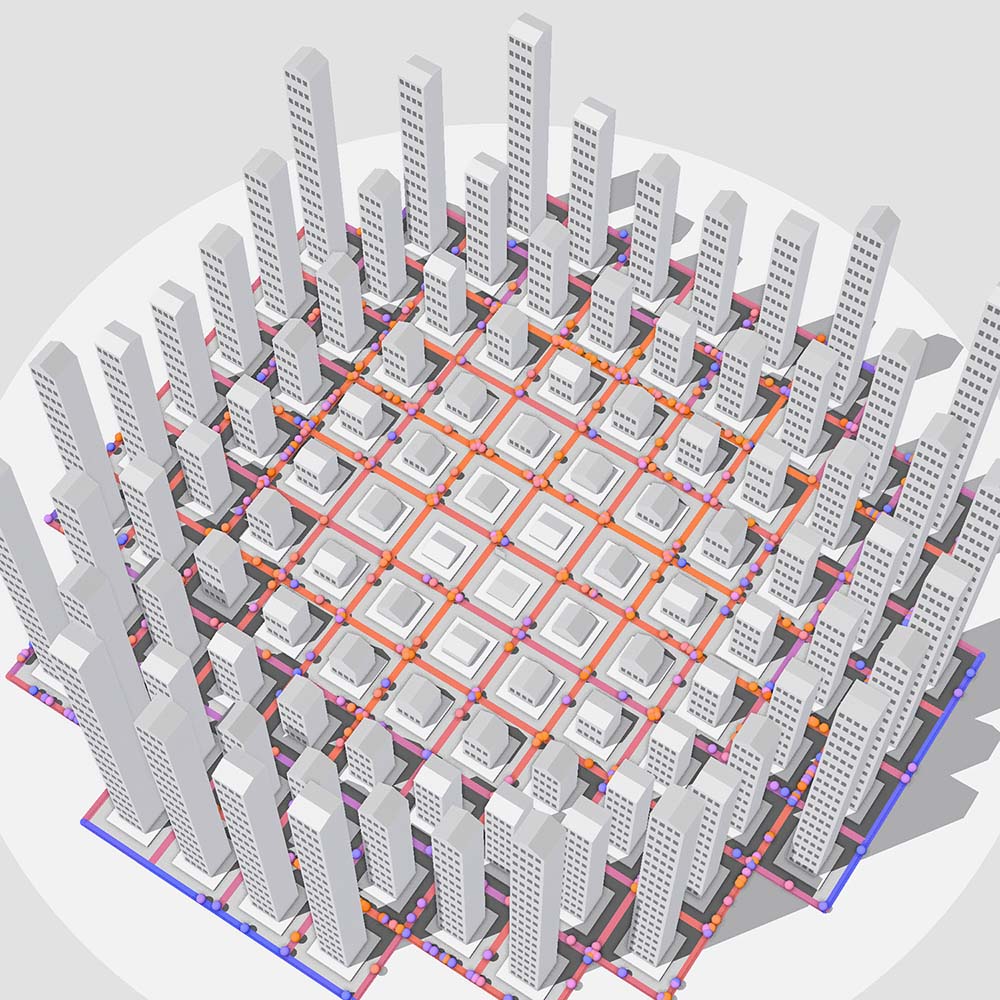
Cities Morphology
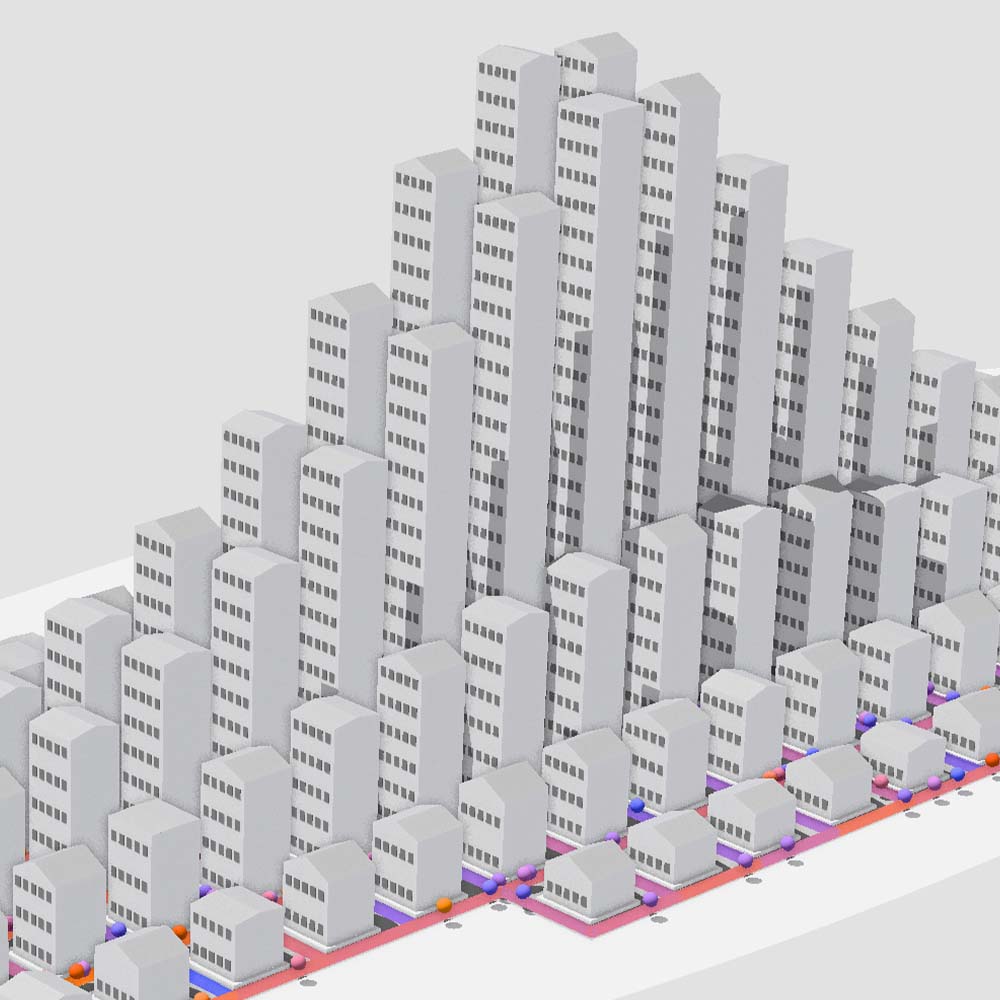
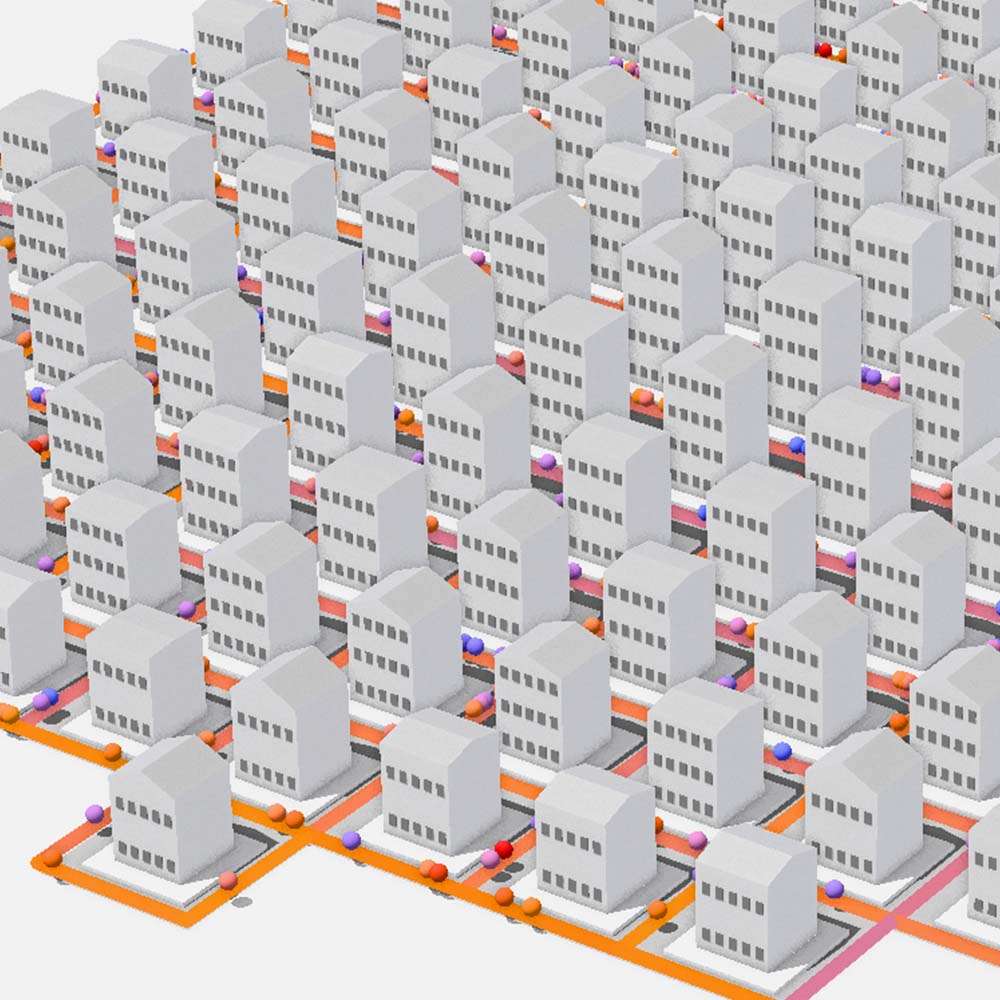
The size and shape of cities matter. They affect the travel distances of its city inhabitants, the total energy consumption of a city, and the area a city consumes. Cities Morphology lets you construct towns and cities based on basic variables like elongation, sprawl, and the city profile and illustrates the effects on travel distance, energy consumption, and area.
Explore Urban Thirst
Urban Thirst
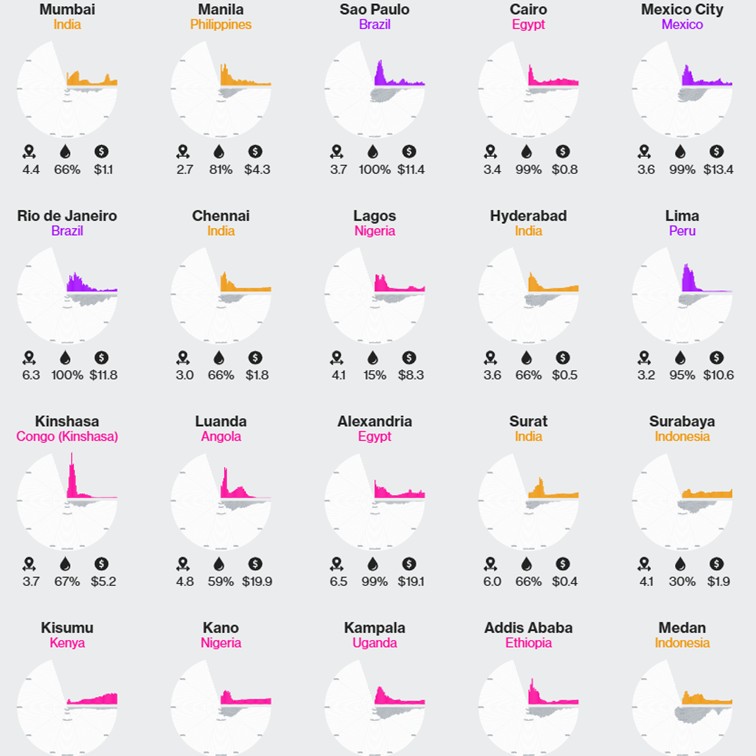
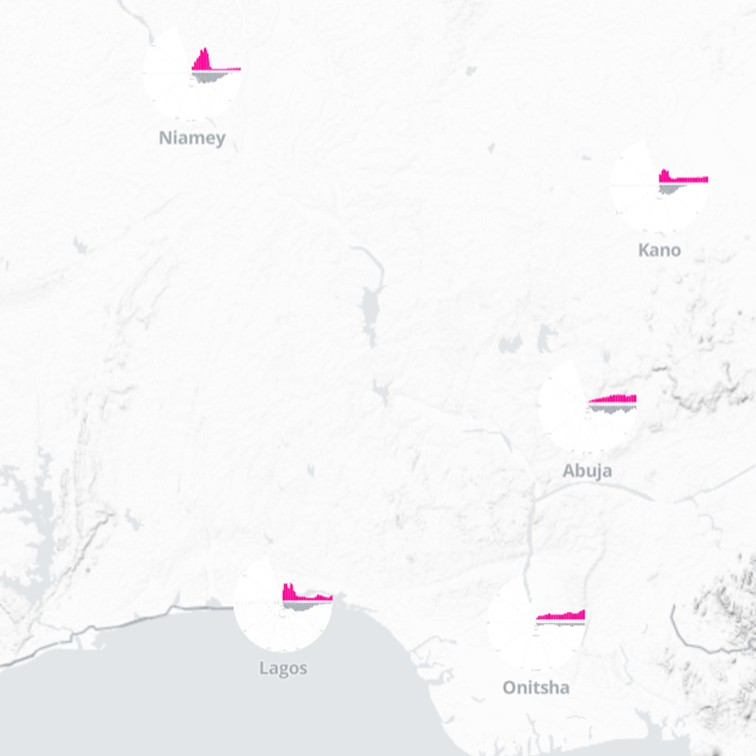
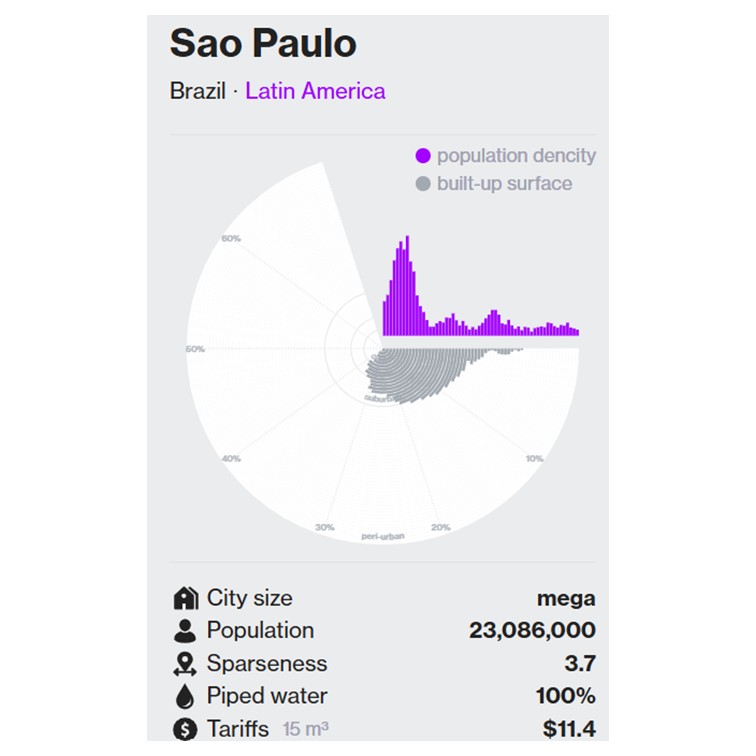
Many cities are growing in locations with scarce rainfall and limited water retention, often becoming elongated and sprawled. This makes it harder to deliver essential services, including water and sanitation. This visualisation presents findings from the study “Urban Sprawl Is Associated with Reduced Access and Increased Costs of Water and Sanitation.” The research covers 100+ cities across Asia, Africa, and Latin America.
Explore Urban Dispersion
Urban Dispersion
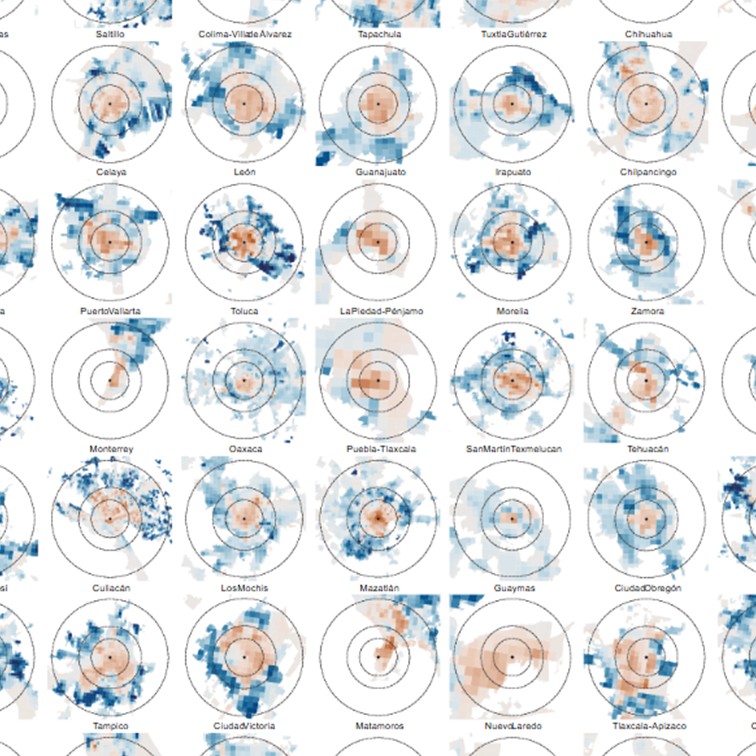
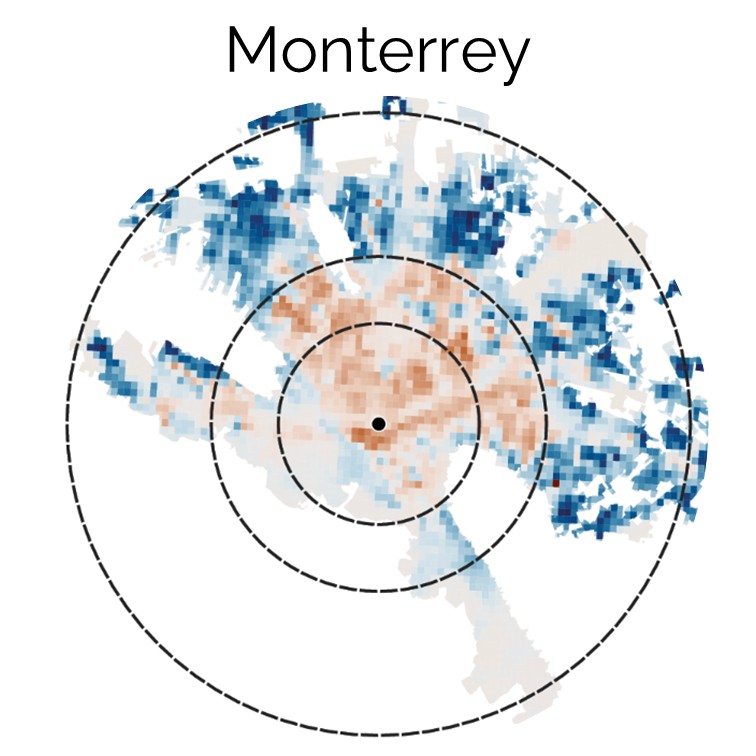
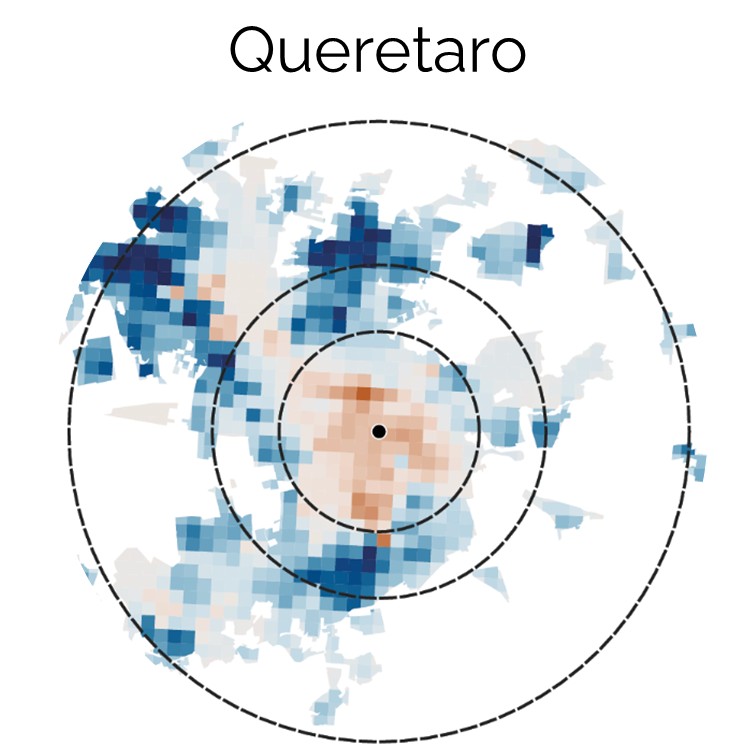
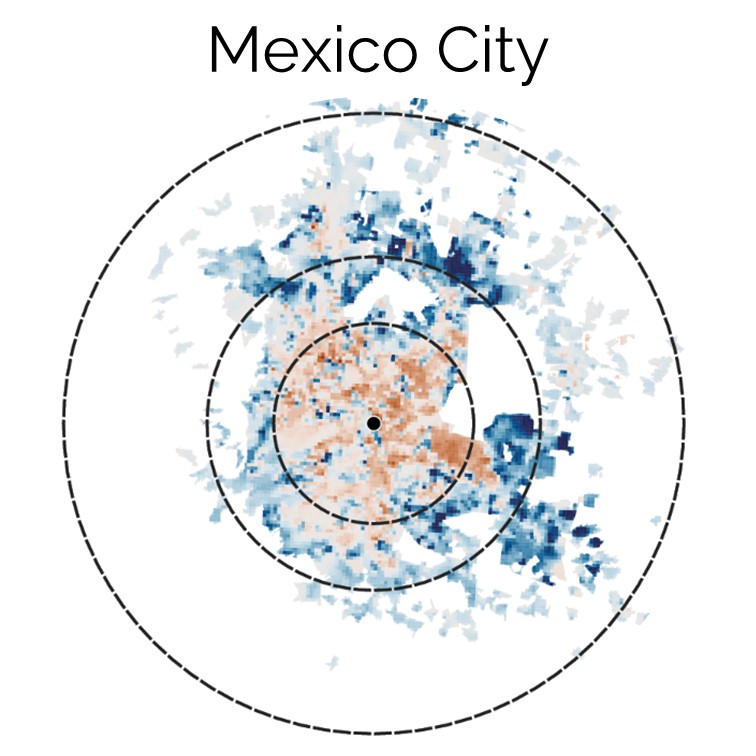
Despite population growth, cities in Mexico have lost population in their central areas. This project compares the populations of cities in the country using census data from 1990 to 2020.
Publications
About
We are a multidisciplinary research group. Our aim is to understand mobility patterns in cities, promote sustainable modes, such as walking and cycling, and reduce car dependency in cities.